If you are pricing a new garage door, the number on the quote is only part of the story. Garage door installation cost depends on the door you choose, the condition of the opening, the type of opener, and whether the job is a straightforward swap or a more involved installation. In the Chicago area, weather, insulation needs, and older homes also play a real role in the final price.
For homeowners, this usually comes down to three priorities – security, curb appeal, and daily reliability. For property managers and commercial operators, the focus is often speed, durability, and avoiding repeat service calls. Either way, the smartest approach is to understand what drives the price before you schedule the work.
What affects garage door installation cost?
The biggest cost factor is the door itself. A basic single garage door made from standard steel will usually cost less than a custom wood-look carriage-style door with windows and upgraded insulation. Size matters too. A double door uses more material, requires more hardware, and often takes more labor to install correctly.
Material changes the price quickly. Steel is usually the most budget-friendly and practical option for many Chicago-area homes. Aluminum can work well in modern designs and may resist rust, but it can dent more easily. Wood gives a premium look, but it costs more up front and typically requires more upkeep over time. Composite and faux wood options often land in the middle, giving homeowners the appearance of wood without all of the maintenance.
Insulation is another major variable. In a climate with cold winters and hot summers, an insulated garage door is often worth the added cost, especially if the garage is attached to the home or used as a workspace. Better insulation can improve comfort, reduce outside noise, and help protect items stored in the garage. It raises the installation price, but in many cases it delivers better long-term value than the cheapest non-insulated option.
Typical garage door installation cost ranges
For most residential jobs, garage door installation cost can range from a relatively modest amount for a standard single steel door to several thousand dollars for larger, insulated, or custom designs. If you are replacing an existing door with a similar model and the track, framing, and opener are all in good shape, the project tends to stay closer to the lower end.
Costs rise when the job includes more than the door panel itself. New tracks, springs, weather seals, reinforced hardware, upgraded rollers, and opener replacement can all add to the total. So can removing and hauling away an old damaged door. If the opening has structural wear, water damage, or misalignment, that repair work needs to be handled before the new door can operate safely.
For commercial properties, pricing varies even more. A rolling steel service door, sectional overhead door, or high-cycle system for a busy facility has a very different cost profile than a residential installation. Commercial jobs are usually priced based on usage demands, door size, safety requirements, and the opener or operator system involved.
Labor matters more than many people expect
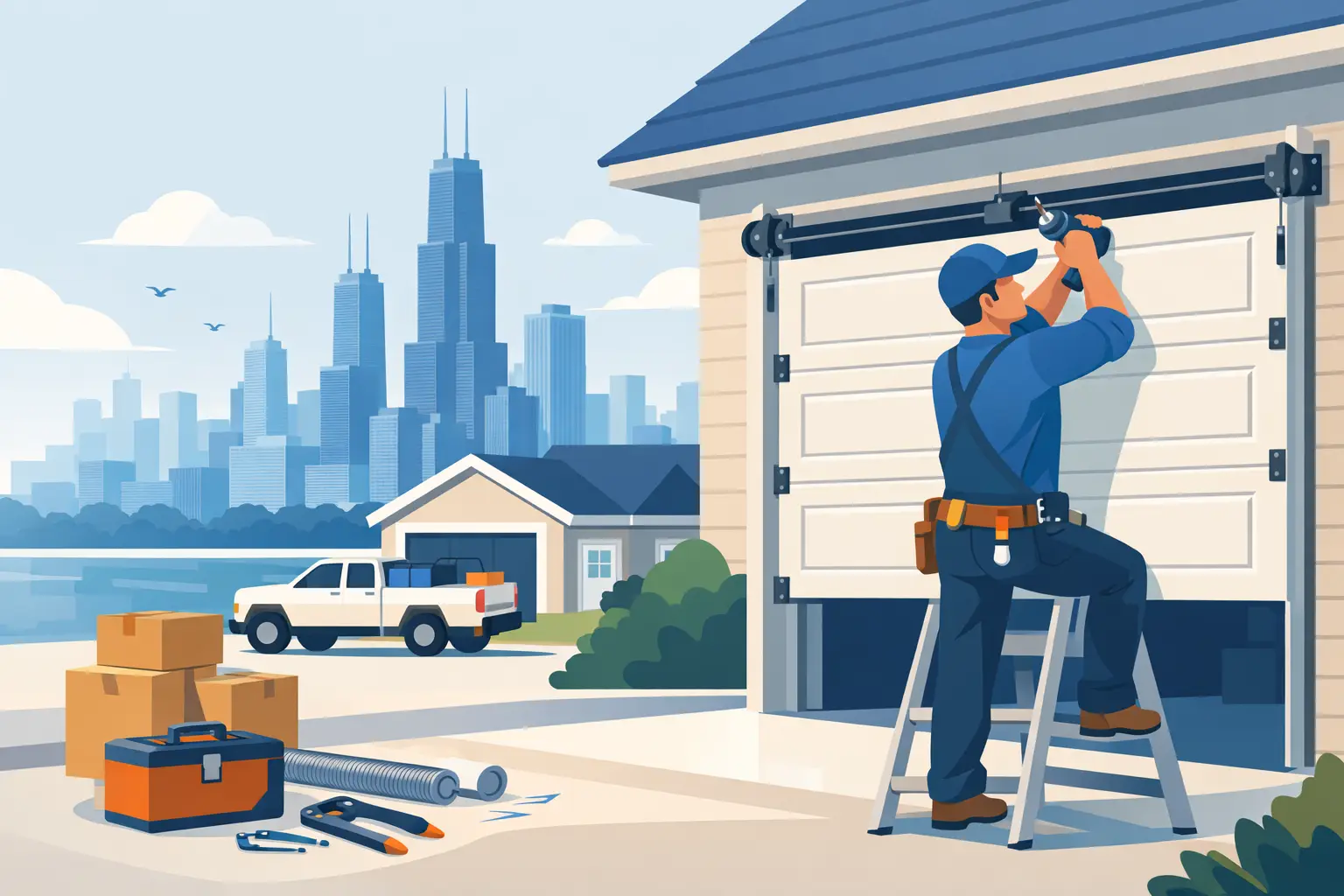
When customers compare quotes, they often focus on the door model and overlook installation quality. That can be a costly mistake. Proper garage door installation is not just a matter of hanging panels and connecting an opener. The system has to be balanced, aligned, reinforced, and tested so it opens smoothly and closes securely.
Springs, cables, rollers, tracks, hinges, brackets, and safety sensors all need to work together. If one part is installed incorrectly, the door may become noisy, uneven, or unsafe. In worst-case situations, poor installation can shorten the life of the opener, wear out parts early, or create a serious hazard.
That is why labor costs vary. An experienced installer who handles the details correctly may not be the cheapest option on paper, but quality installation usually prevents callbacks and premature repairs. For homeowners and facility managers, that reliability is often worth more than a small short-term savings.
Replacement versus first-time installation
A replacement project is usually more predictable. The opening already exists, and the installer can often remove the old door and put in the new one with fewer unknowns. Even then, it depends on condition. If the existing track system is bent or the framing has shifted, the price can climb.
A first-time installation or conversion adds more variables. Detached garages, renovated buildings, or commercial spaces being reconfigured may need framing adjustments, electrical work for an opener, or changes to headroom and side clearance. Those details affect labor time and material needs, which affects the final cost.
Why openers can change the total price
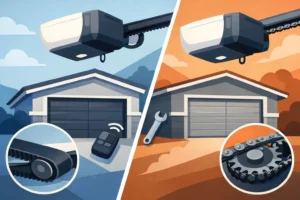
Many customers ask for one number, but the opener decision can swing that number noticeably. A chain-drive opener usually costs less than a belt-drive model. Belt drives are often quieter, which matters for attached garages or homes with living space above the garage. Smart features such as app control, battery backup, keyless entry, and camera integration can raise the price but add convenience and peace of mind.
For commercial settings, operators are selected based on door size, cycle count, and security needs. A warehouse or multi-unit property with heavy daily use may need a more powerful system designed for repeated operation. That costs more initially, but choosing an underpowered operator usually leads to downtime and service issues.
Hidden conditions that add to garage door installation cost
Not every added expense is really hidden, but many of them are only discovered during inspection. Older garages in Chicago-area neighborhoods may have uneven floors, worn jambs, outdated brackets, or framing that no longer supports a modern system properly. These are common issues, not rare exceptions.
Weather sealing can also affect the quote. If the bottom seal is failing or the perimeter seal is missing, replacing those components helps keep out moisture, debris, and drafts. Reinforcement for wind resistance or heavier insulated doors may also be necessary. None of this is optional if the goal is a safe, durable installation.
Haul-away fees, permit requirements in some areas, and emergency scheduling can also affect pricing. If a vehicle is trapped inside or the property is unsecured, customers may need faster service than a standard appointment window. Urgent service has value because it gets the property protected and operational again without delay.
How to compare estimates the right way
A low quote is not always a lower total cost. One estimate may include full hardware replacement, track adjustment, disposal of the old door, and warranty-backed labor, while another only covers the door sections and basic installation. If you are comparing prices, make sure you are comparing the same scope of work.
Ask whether the quote includes springs, tracks, seals, disposal, opener setup, and sensor testing. Ask what warranty applies to the door and to the labor. Ask whether the installer will confirm the appointment window and inspect the full system before starting. Clear process matters because it reduces surprises.
This is especially important for property managers and commercial customers. Downtime has a cost. If one provider gives a lower price but cannot handle urgent repairs, replacement parts, and future maintenance, you may end up coordinating multiple vendors for the same opening. A full-service provider is often the more efficient choice.
When the cheapest door is not the best value
Budget matters, and not every property needs a premium custom door. But the least expensive option is not always the smartest one, especially in a climate with snow, rain, temperature swings, and regular daily use. Thin non-insulated doors can be noisier, less durable, and more likely to show wear sooner.
A better value often comes from matching the door to the property and how it is used. A homeowner planning to stay long term may benefit from insulated steel with upgraded hardware. A landlord may prioritize durability and low maintenance. A retail or warehouse operator may need a commercial-grade solution that can handle constant cycling. The right choice depends on performance, not just sticker price.
For local customers, that is where an experienced company like Garage Door Mart Inc can make the process easier. A solid estimate should reflect the actual condition of the opening, the needs of the property, and the level of use the door will see, not just a generic package price.
Garage door installation cost and long-term savings
The upfront number matters, but so does what happens after installation. A correctly sized, properly installed door with the right opener and hardware usually runs quieter, lasts longer, and needs fewer repairs. That can reduce future service costs and lower the chances of an inconvenient breakdown.
If your current door is struggling, noisy, sagging, off-track, or showing repeated spring and opener issues, replacement may be more cost-effective than continuing to patch an aging system. The best time to price a new door is before the old one fails completely and turns a planned project into an emergency call.
A good quote should leave you with clarity, not guesswork. When you understand what is included, why the price is what it is, and how the system will perform over time, you can make a decision that protects your property and your budget. The right garage door should not just fit the opening – it should fit the way you live or operate every day.