A garage is often the largest moving entry point on a property, yet it can receive far less attention than the front door. Effective garage security starts with a door that closes fully, locks correctly, and cannot be easily forced out of position. For Chicago-area homeowners and business operators, that means addressing small issues before harsh weather, daily use, or a failed component turns them into an opening for theft, damage, or unauthorized access.
Why Garage Security Deserves Attention
The garage may connect directly to your home, hold vehicles and tools, or provide access to inventory and equipment. When the door is damaged, left partially open, or operated by an unreliable opener, it creates more than an inconvenience. It can expose the rest of the property.
Many security problems begin with an ordinary service issue. A worn bottom seal can leave a visible gap. A bent track can keep the door from closing squarely. A weak spring, damaged cable, or failing opener can stop the door partway down. Homeowners sometimes try to force the door closed or leave it unsecured until a later appointment. That is where a manageable repair can become a safety and security concern.
For commercial properties, the stakes can be higher. A loading-area door that will not close can interrupt deliveries, leave inventory exposed, and force staff to monitor an entrance that should be secured automatically. Property managers also need dependable doors across multiple units, where one malfunctioning garage door can affect tenants and create avoidable liability.
Start With the Garage Door Itself
A security system cannot compensate for a door that is physically compromised. Begin by looking at the door from inside and outside while it is closed. It should sit evenly along the floor, line up with the tracks, and have no obvious gaps at the sides, top, or bottom. A door that sags, shakes heavily, or reverses before closing needs professional attention.
The condition of the panels matters too. Dents and cosmetic wear are not always urgent, but cracked sections, damaged hinges, loose rollers, or weakened reinforcement points can affect how the door travels and how well it resists forced entry. Steel doors with insulation can offer a practical balance of durability, weather resistance, and energy efficiency, especially for attached garages and heated work areas.
Pay close attention to the lock arrangement. Manual locks should be functional and used correctly when the garage will be unattended for an extended period. However, do not add or engage a manual slide lock while an automatic opener is connected unless the opener is disconnected first. Trying to operate a locked door with the opener can damage the motor, door sections, or hardware.
The emergency release is another point to consider. It is necessary for safety during a power outage, but it should not be easy to reach from outside through a damaged top section or unsecured window. The right approach depends on the door design and local use of the garage. A professional can recommend a safe solution that preserves emergency access without creating an easy entry point.
Do Not Ignore a Door That Will Not Close Completely
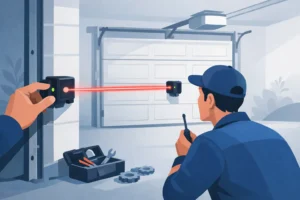
A garage door that stops short of the floor is not secure, even if the opening appears small. The cause may be misaligned photo-eye sensors, an obstruction in the track, worn rollers, a damaged cable, or incorrect opener travel settings. Cleaning the sensor lenses and removing visible debris may help in simple cases, but do not adjust springs, cables, or high-tension components yourself.
If the door is off track, hanging unevenly, or stuck open, treat it as an urgent repair. Continued operation can cause more damage and may create a serious injury risk. A trained technician can stabilize the door, identify the failed part, and restore proper operation without putting your family, employees, or property at greater risk.
Secure the Opener and Remote Access
Modern garage door openers add convenience, but convenience needs sensible controls. Keep remote controls out of vehicles parked outside whenever possible. A visible remote clipped to a sun visor can give someone access to both the garage and, in some cases, the home.
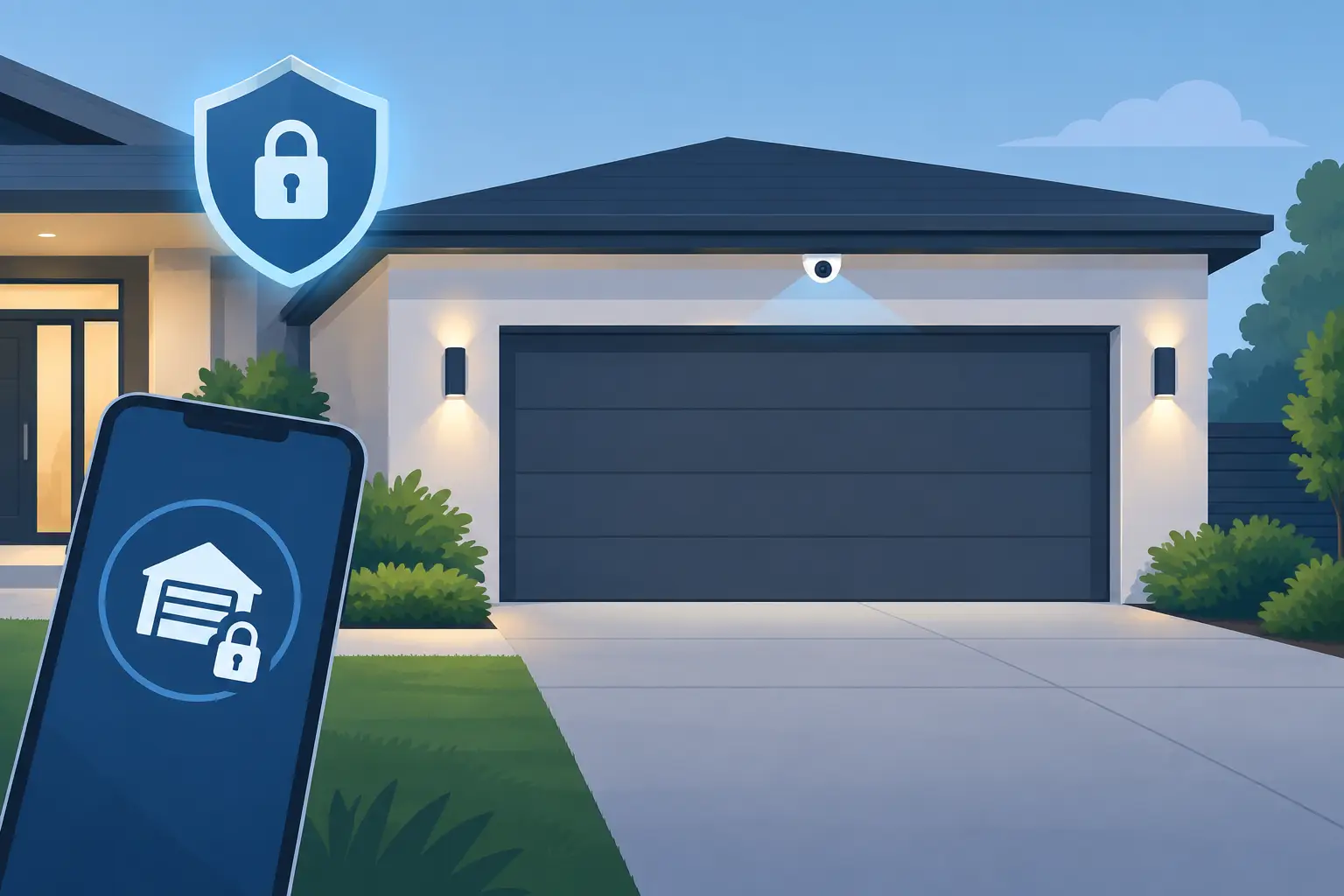
Use a keypad with a unique code rather than an easy-to-guess number. Change the code after moving into a new home, after giving temporary access to a contractor, or when a tenant or employee no longer needs entry. If your opener includes smartphone control, protect the connected account with a strong password and multi-factor authentication when available.
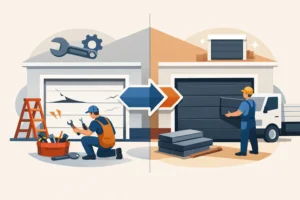
Older openers can also be a weak point. Units that operate unpredictably, lack modern safety features, or no longer receive reliable remotes may be better candidates for replacement than repeated repair. A newer opener can provide rolling-code technology, battery backup options, automatic closing features, and activity alerts. These features do not replace a secure door, but they make it easier to know whether the garage is open and to control access without handing out physical remotes.
For a detached garage, consider whether the service door has the same level of protection as the overhead door. A solid door, quality deadbolt, proper strike plate, and adequate exterior lighting can make a meaningful difference. Windows should be covered or positioned so expensive equipment is not clearly visible from the street or alley.
Use Lighting and Visibility to Reduce Opportunity
Good lighting does not make a garage impenetrable, but it removes the privacy that opportunistic theft depends on. Motion-activated fixtures near the driveway, side entry door, and rear access area are especially useful. Aim lights downward to cover walking paths and entrances without creating glare for drivers or neighbors.
Keep shrubs and stored items from blocking sightlines around the garage. Ladders, tools, bicycles, and boxes left outside can provide both temptation and equipment for forced entry. Inside the garage, store high-value tools and equipment in locked cabinets or anchored storage when practical.
Security cameras can provide useful visibility, particularly for commercial facilities, multi-unit properties, and homes with frequent package deliveries. Position cameras to capture the driveway approach and the garage door area, but remember that a camera records a problem. A properly functioning door, opener, lock, and lighting plan helps prevent one.
Commercial Garage Security Requires Fast Response
Commercial doors face heavier cycles, larger openings, and greater operating demands than most residential systems. A warehouse bay, automotive shop, storage facility, or retail receiving area may rely on a sectional door, rolling steel door, dock equipment, or a high-cycle opener throughout the day. When any of those components fail, security and operations are affected at the same time.
Facilities managers should establish a regular service schedule instead of waiting for a breakdown. Technicians can inspect springs, cables, rollers, hinges, tracks, bottom seals, safety sensors, and opener performance before a failure leaves a door open overnight. This is particularly valuable before winter, when ice, wind, cold temperatures, and road salt can add stress to moving components.
Access control should also match the operation. Employees who need daily entry may use keypads, fobs, or controlled remotes, while vendors and temporary staff should have limited access that can be removed promptly. If a commercial door has been struck by a vehicle, forced open, or knocked off track, secure the opening first and arrange repair immediately. Continuing to run a damaged commercial door can put people at risk and increase downtime.
Maintenance Is a Practical Security Measure
A few routine checks can help spot trouble early. Once a month, watch the door open and close from a safe distance. Listen for grinding, scraping, popping, or unusually loud operation. Check that the photo-eye sensors are aligned and that the door reverses when the safety system detects an obstruction. Keep tracks clear, but avoid applying heavy grease to them, which can collect dirt and interfere with operation.
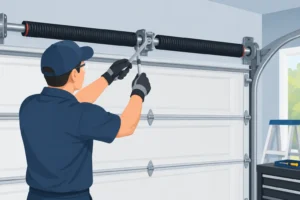
Professional maintenance goes further. It includes checking high-tension hardware, balancing the door, tightening moving parts, examining cables and rollers, testing opener limits, and identifying wear that is not obvious to an untrained eye. Springs and cables should always be handled by a qualified technician because they are under significant tension.
Garage Door Mart Inc provides residential and commercial garage door repair, replacement, opener service, and emergency response across the Chicago-land area. When a door is stuck open, off track, damaged after impact, or no longer closing reliably, prompt service can help restore both access and security.
A secure garage should not require constant worry or workarounds. If you find yourself avoiding the door, forcing it closed, or checking repeatedly to see whether it latched, it is time to have the system inspected before a small issue becomes an open invitation.