A new garage door is not a purchase you want to revisit because the first installation was rushed. The best garage door installers in my area should do more than hang a door and leave. They should help you choose the right system, confirm that the opening and structure are ready, install every component safely, and make sure the door operates correctly before the job is finished.
For homeowners, a properly installed garage door protects daily access, home security, and curb appeal. For property managers and commercial operators, it can affect deliveries, employee access, tenant safety, and business continuity. In the Chicago area, it also needs to stand up to changing temperatures, wind, moisture, and heavy year-round use.
What the Best Garage Door Installers in My Area Should Provide
A dependable installer begins with the details that are easy to overlook. Garage doors are heavy, tensioned systems. The panels, tracks, rollers, cables, springs, reinforcement, weather seal, and opener must work together. A door that looks good but is incorrectly balanced or poorly aligned can put extra strain on the opener and create a safety issue.
Look for a company that can explain what it is installing and why. That includes the door material, insulation level, track configuration, spring system, hardware, and opener compatibility. You should not have to guess whether the quote includes removal of the old door, new tracks, perimeter weatherstripping, haul-away, or final testing.
The right installer will also ask practical questions before recommending a door. Is the garage attached to the home? Is it heated? Is the garage used as a workshop, storage area, or frequently used entry point? Are you replacing a single door, double door, or several doors at a multi-unit or commercial property? These answers affect the right product and installation plan.
Start With Local Experience, Not Just a Search Result
A local company understands the installation issues common to Chicago-land homes and businesses. Older garages may have uneven framing, limited headroom, worn jambs, or openings that do not match standard measurements. Commercial facilities may need higher-cycle springs, sectional doors, rolling steel doors, dock-related solutions, or openers designed for frequent operation.
Local experience also matters after installation. If a spring breaks, a door comes off track, or an opener stops working, you want a provider that can return for service instead of sending you back to a manufacturer or an out-of-area subcontractor.
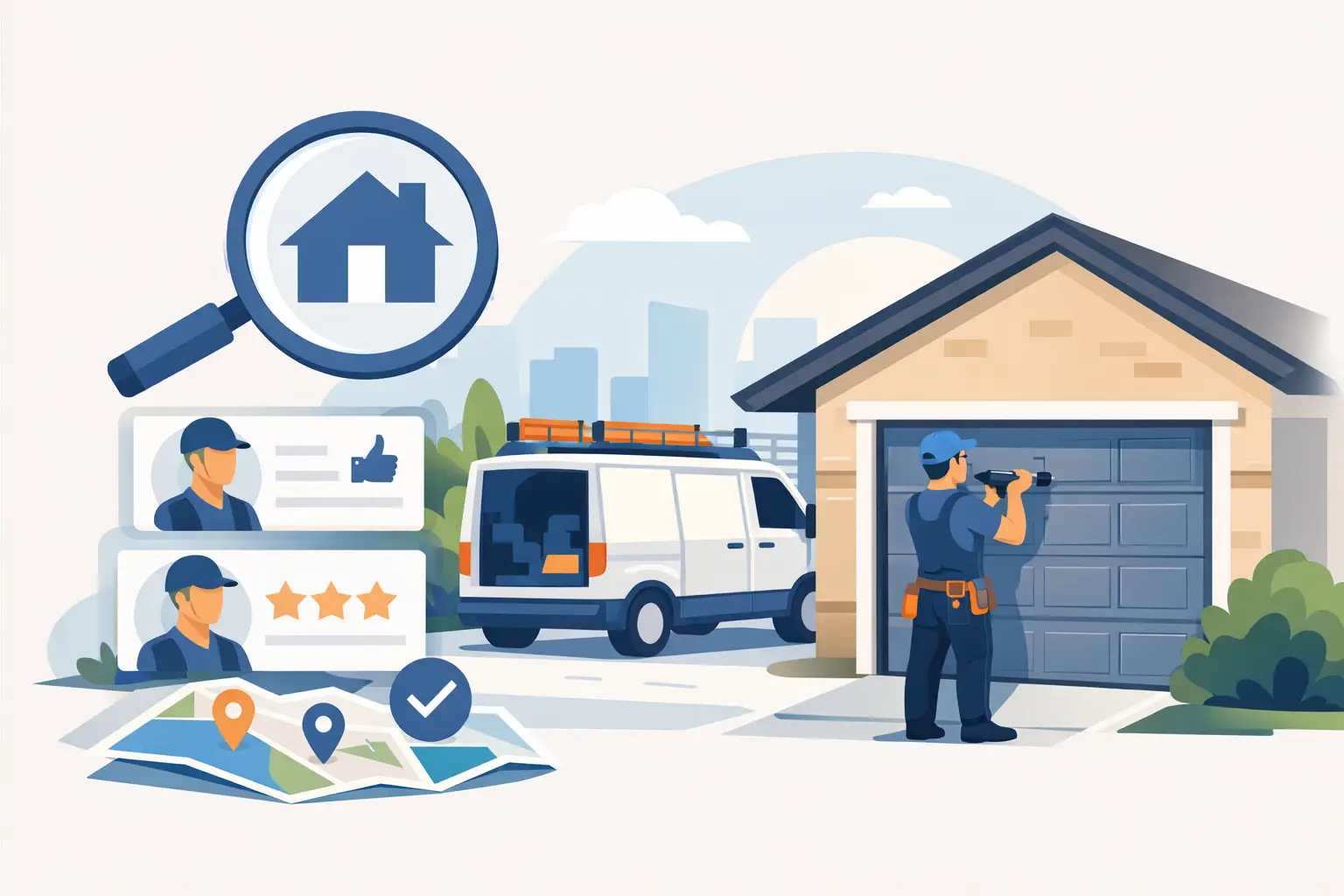
When comparing companies, ask whether their technicians perform the installation directly and whether they also handle repairs, replacement parts, maintenance, and opener service. A full-service provider has a reason to install the system correctly from day one because it is accountable for its long-term performance.
Check Whether the Quote Matches the Actual Job
The lowest quote is not automatically the best value. A low price can reflect a basic door, lighter-duty hardware, missing disposal fees, or a quote that does not account for needed structural work. On the other hand, the most expensive option is not always necessary for a detached garage that sees limited use.
Ask for a clear, written scope of work. It should identify the door model or type, insulation if applicable, hardware, spring system, opener work, labor, removal of existing materials, and warranty information. If the installer discovers a problem with the framing or the garage floor during the visit, ask how additional work will be approved before it begins.
Straightforward pricing is especially important for property managers and commercial customers. A clear scope makes it easier to budget, communicate with owners or tenants, and avoid delays once the work is scheduled.
Choose the Door for How You Use the Garage
Steel sectional doors are a practical choice for many homes because they are durable, available in multiple styles, and require relatively low maintenance. Insulated doors are often worth considering for attached garages, heated garages, or spaces near bedrooms and living areas. They can help moderate temperature changes and reduce outside noise, although the exact benefit depends on the home and how the garage is used.
Wood-look finishes and carriage-house designs can improve curb appeal, but appearance should not be the only deciding factor. Consider maintenance needs, wind exposure, insulation, and the weight of the door. A heavier door may require a properly sized spring system and opener to operate reliably.
For commercial properties, the decision often comes down to duty cycle, security, opening size, speed requirements, and operational traffic. A warehouse door that opens repeatedly throughout the day has different needs than a retail stockroom or a small condominium garage. An experienced installer should recommend equipment based on the workload, not simply what is easiest to install.
Do Not Treat the Opener as an Afterthought
The opener does not lift the full weight of a properly balanced garage door, but it does control frequent daily movement. An undersized or outdated opener can become noisy, unreliable, and prone to early wear. Belt-drive openers are often preferred when quiet operation matters, while chain-drive units can be a solid option for certain heavier-duty applications.
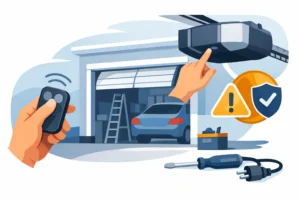
Safety features deserve attention as well. Modern openers should include photo-eye sensors and reversing functions that are tested during installation. Smart controls can add convenience for homeowners and managers who want to monitor access remotely, but they are not a substitute for a secure door, reliable hardware, and safe installation.
If you are keeping an existing opener, ask whether it is compatible with the new door’s weight and configuration. Sometimes the most cost-effective choice is to install the door now and retain a newer, properly functioning opener. Other times, replacing both at once avoids a second service appointment and gives the entire system a consistent warranty path.
Ask About Scheduling, Communication, and Cleanup
Professional installation should feel organized before the technician arrives. You should receive an appointment window, confirmation, and a clear understanding of what needs to be accessible in the garage. Moving vehicles, stored items, and equipment away from the work area helps the crew work safely and prevents avoidable delays.
During the appointment, the installer should inspect the opening, remove the old equipment safely, install and align the new components, and test the door through multiple cycles. The final walkthrough should include basic operation, emergency release use, remote controls, safety sensor testing, and maintenance recommendations.
Cleanup is part of the job. Old sections, tracks, springs, and packaging should not be left for the customer to manage unless that arrangement was clearly made in advance. For a business, coordinated cleanup matters even more because loose materials can interfere with traffic and create workplace hazards.
Warning Signs That an Installer May Not Be the Right Fit
Be cautious when a company gives a firm price without asking about the opening, door size, or existing condition. A reputable installer may be able to provide a preliminary range, but a final recommendation should be based on real measurements and the job requirements.
Other concerns include vague answers about warranties, pressure to make an immediate decision, no explanation of safety testing, or a reluctance to discuss whether the existing opener and hardware are suitable. You should also be wary of anyone who treats broken springs or cables as casual do-it-yourself work. These components are under significant tension and should be serviced by trained professionals.
Availability matters, but so does follow-through. A company that offers emergency repair and routine installation can be particularly valuable when a door problem is preventing you from securing the property or accessing vehicles, inventory, or equipment.
A Better Way to Schedule Your Installation
Before requesting an estimate, take a few photos of the existing door, the inside tracks, the opener, and the area above the door. Note the width and height of the opening if you can, along with any concerns such as excessive noise, drafts, damaged panels, or an uneven floor. This gives the installer a useful starting point and helps avoid surprises.
Then choose a provider that communicates clearly about timing, price, products, and next steps. Garage Door Mart Inc serves homeowners and businesses throughout the greater Chicago-land area with installation, replacement, repair, and opener services, including urgent situations when a working door cannot wait.
A well-installed garage door should give you confidence every time it opens and closes. Choose a local team that treats the installation as a complete safety and performance job, then enjoy the convenience of a door built to work when you need it most.