A garage door that will not close before work, reverses without warning, or hangs crooked in the opening is more than an inconvenience. Garage doors protect vehicles, equipment, inventory, and access to your property. When they start failing, the right response depends on the condition of the door, its moving parts, and the safety risk involved.
For homeowners and commercial property operators across Chicagoland, a fast decision can prevent a small repair from becoming a damaged door, a blocked driveway, or a security issue after hours.
Garage Doors Are Safety and Security Equipment
Most people use a garage door several times a day without thinking about the load it carries. A standard residential door can weigh well over 100 pounds, while commercial doors may be far heavier. Springs, cables, rollers, tracks, hinges, and the opener must work together every time the door moves.
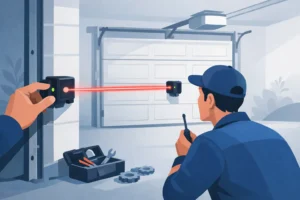
That is why a door that is noisy, slow, or uneven should not be treated as normal wear. Grinding may point to worn rollers or damaged bearings. A loud bang can signal a broken spring. A door that closes and immediately reverses may have an obstruction, misaligned safety sensors, or an opener problem. The symptom matters, but so does the cause.
For a business, the stakes are often higher. A disabled loading-area door can interrupt deliveries, expose inventory, and delay employees. For a homeowner, a door that will not secure can leave a garage and the attached home vulnerable. Prompt professional service keeps a manageable problem from disrupting the entire day.
How to Tell What Your Door Needs
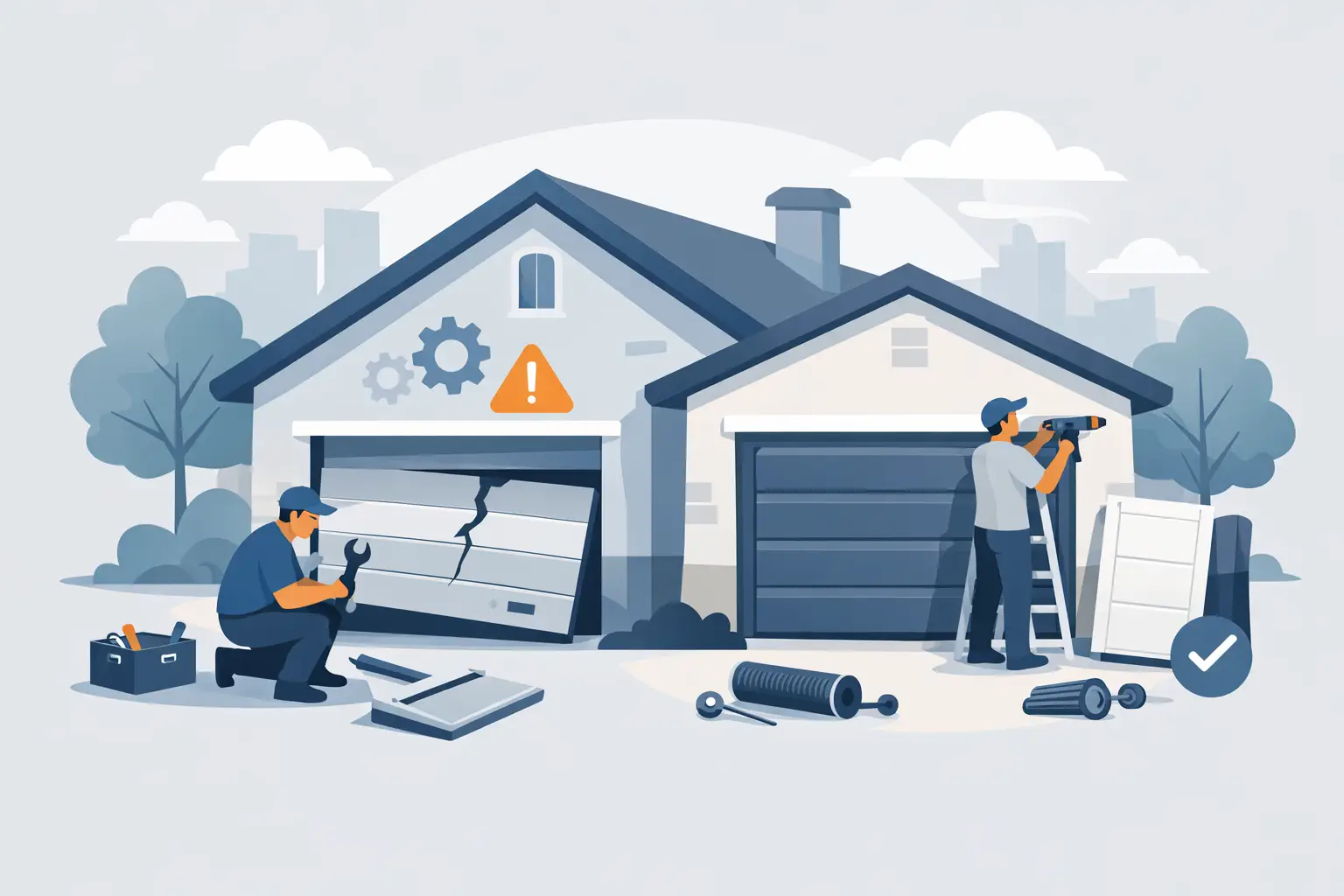
Not every issue calls for replacement. Many garage door problems can be corrected with the right repair, especially when the door panels are sound and the system has been maintained. The key is to avoid guessing or forcing the door to operate.
Repair is usually the right call when
A single broken spring, frayed cable, damaged roller, bent track section, or faulty sensor does not automatically mean the entire door has reached the end of its life. These components are designed to be serviced or replaced. A qualified technician can inspect the full system, identify the failure, and make sure the repair does not leave another worn part waiting to fail.
Opener issues are also often repairable. A remote that stops working may need a battery, reprogramming, or receiver diagnosis. An opener that hums but does not lift the door may be dealing with a stripped gear, a broken drive component, or a door that is too heavy for the opener because of a spring failure.
If the door is off track, stop using it. Pulling, pushing, or running the opener against a misaligned door can bend tracks, damage panels, or cause the door to fall. Off-track repairs require controlled handling of the door’s weight and tensioned components.
Replacement makes more sense when
Replacement is often the better long-term value when multiple panels are badly dented, cracked, rusted, or warped. It can also be the practical choice when an older door has repeated breakdowns, poor insulation, outdated safety features, or damage that makes reliable operation unlikely.
A new door can improve curb appeal, but appearance should not be the only reason to replace it. Chicago winters, moisture, wind, and temperature swings can expose weak panels, failing seals, and poorly insulated construction. If the garage is attached to the house, a better-insulated door may help reduce drafts and make the adjacent space more comfortable.
For commercial properties, replacement may be warranted when a door no longer supports daily operating demands. A door that frequently jams, has incompatible hardware, or cannot keep up with traffic creates ongoing labor costs and avoidable downtime. In that situation, installing a properly sized commercial door and opener can be less expensive than repeating short-term repairs.
Choosing Garage Doors for Chicagoland Properties
The best garage door is not always the most expensive model. It is the door that fits the opening, usage level, building style, insulation needs, and budget. A detached residential garage used mainly for parking has different requirements than a heated attached garage, warehouse bay, retail service entrance, or multi-unit property.
Steel doors are a common choice because they offer durability, a wide range of styles, and manageable maintenance. Insulated steel doors are especially useful for attached garages and spaces affected by winter weather. Wood doors can provide a distinctive appearance, but they require more upkeep to protect against moisture and seasonal movement. Aluminum and glass options suit some modern homes and commercial settings, although they may not provide the same insulation or impact resistance as a heavier steel door.
The door’s insulation value matters, but it should be considered with the rest of the garage. An insulated door cannot fix poor wall insulation, air gaps, or an unsealed perimeter. Still, good weatherstripping and a properly fitted bottom seal can make a noticeable difference by keeping out wind, rain, snow, and debris.
Style is worth considering because the garage can dominate the front of a home. Raised-panel, carriage-house, flush-panel, windowed, and contemporary designs each create a different look. The right choice should complement the property without sacrificing the hardware, strength, and insulation needed for daily use.
Do Not Overlook Springs and Openers
Garage door springs do the lifting. The opener controls the movement, but it is not meant to carry the full weight of the door. When a spring breaks, the door can become too heavy for the opener to lift safely. Continuing to press the remote may damage the opener and will not solve the underlying problem.
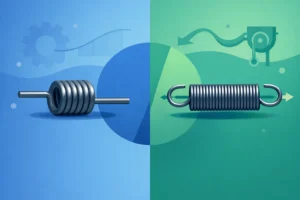
Spring replacement is not a do-it-yourself project. Torsion and extension springs are under significant tension and can cause serious injury when handled incorrectly. The same caution applies to cables attached to the spring system. If you see a broken spring, a loose cable, or a door sitting unevenly, leave the door in place and arrange service.
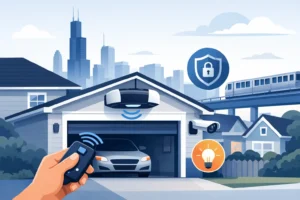
When replacing an opener, look beyond horsepower. The right opener should match the door’s weight, size, and frequency of use. Features such as battery backup, quiet belt drive operation, motion lighting, keypad access, and smart controls can add real convenience. For commercial applications, duty cycle and operating speed may be more important than residential-style features.
When to Call for Immediate Service
Some garage door issues should wait for neither a convenient weekend nor the next scheduled maintenance visit. Call for prompt service when the door is stuck open, cannot be secured, has come off its tracks, has a broken spring or cable, shows severe panel damage, or makes movement unsafe.
Do not stand beneath a partially open door, attempt to release a damaged door without understanding its condition, or let children operate a malfunctioning system. If a vehicle is trapped inside, it can be tempting to force the door manually. That decision can turn a repairable issue into a much larger safety problem.
Garage Door Mart Inc provides residential and commercial service with clear appointment communication, including technician confirmation and practical next steps. For urgent problems, the goal is simple: secure the property, restore safe operation, and explain the repair before work begins.
What a Professional Service Visit Should Include
A proper service call should address more than the visible symptom. The technician should inspect door balance, spring condition, cable routing, tracks, rollers, hinges, safety sensors, weather seals, and opener function. This broader check helps catch the related wear that often causes repeat failures.
Ask whether the door is balanced correctly and whether any components are approaching the end of their service life. You should also receive a clear explanation of the recommended repair or replacement, expected work, and cost before authorizing the job. Straight answers matter when your home, business access, and schedule are affected.
A well-maintained door is quieter, safer, and less likely to fail at the worst possible time. If your door is showing warning signs now, addressing them early gives you more options and more control over the cost.