A garage door that opens from your phone can be useful. A garage door that tells you it was left open after everyone has gone to bed can prevent a real security problem. That practical difference is driving today’s smart garage door trends across Chicagoland, where homeowners, property managers, and businesses need dependable access through every season.
The right technology adds convenience, but it should never become another weak point in your building. Smart controls work best when they are paired with a properly operating door, reliable opener, safe springs, and professional installation. A worn-out door cannot be made dependable by an app.
Smart Garage Door Trends That Solve Real Problems
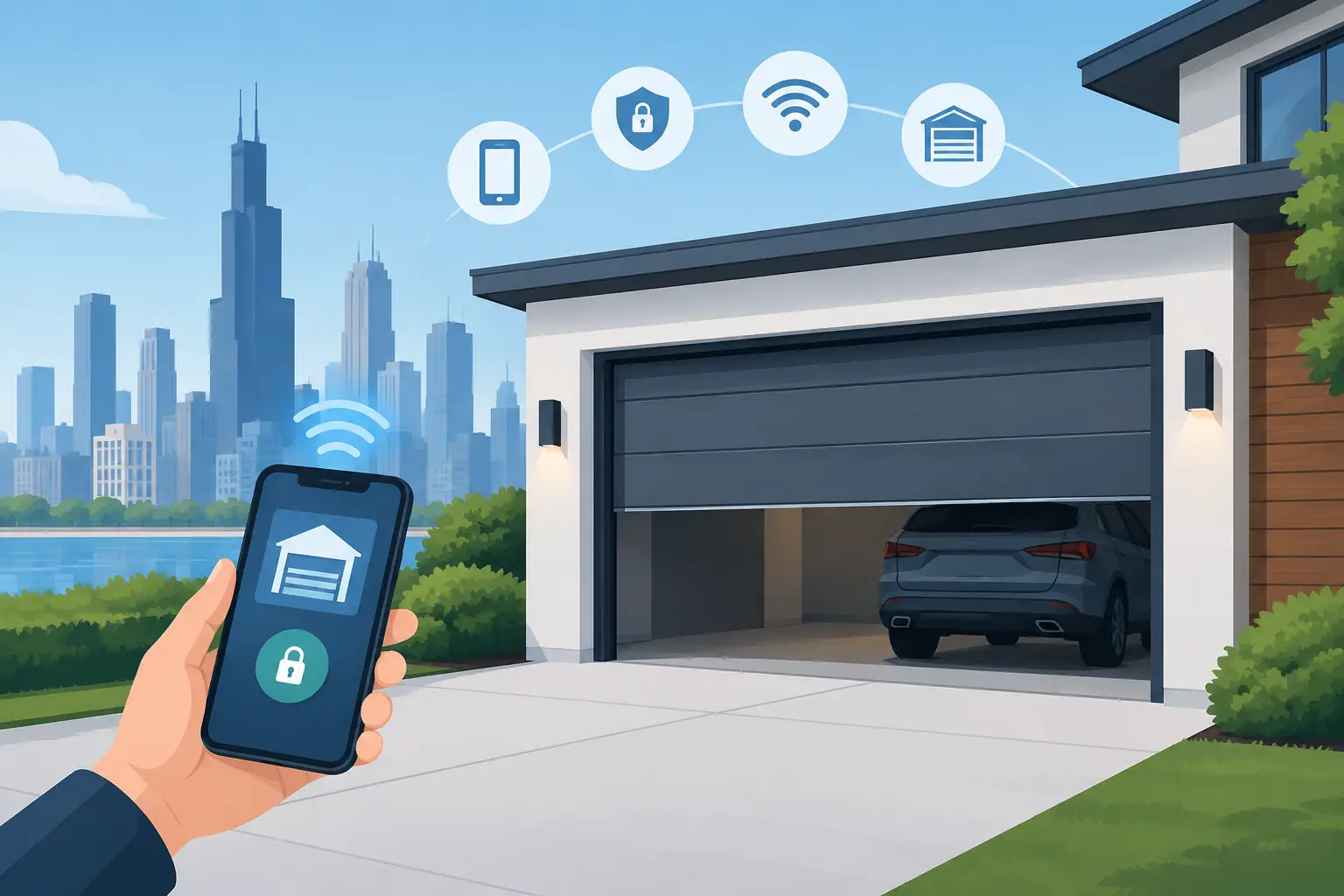
The strongest trend is not flashy automation. It is better visibility. Modern Wi-Fi-enabled openers and smart controller add-ons allow users to check door status remotely, receive activity alerts, and operate the door from a secure mobile app. For a homeowner, that may mean confirming the garage is closed from the office. For a property manager, it may mean verifying a service entrance was secured after a contractor leaves.
Remote monitoring is especially valuable for attached garages, rental properties, and commercial spaces with changing schedules. Instead of relying on memory or a physical remote, the person responsible can see whether the door is open or closed in real time.
That said, remote control is not a substitute for good judgment. Opening a door remotely without a clear view of the area can create a safety risk. The best systems provide alerts and control, while the user remains responsible for checking that the opening is clear and access is authorized.
App-Based Access Replaces Spare Remotes
Physical remotes still have their place, but app-based access is becoming more common because it is easier to manage. Many systems allow owners to grant temporary or recurring access to family members, delivery drivers, cleaners, tenants, or employees. When access is no longer needed, it can be removed without collecting a remote or changing the entire opener system.
This feature is useful for businesses with multiple shift workers and for homeowners who routinely coordinate with service providers. It also reduces one common problem: a lost remote in an old vehicle or an unreturned remote after a tenant moves out.
Access management does require discipline. Use individual user permissions when available rather than sharing one account password. Remove former employees and contractors promptly. If an old remote is missing, have the opener receiver reset or reprogrammed so that remote cannot be used later.
Delivery Access Is Growing, but It Is Not for Everyone
Some smart systems integrate with in-garage delivery programs or allow homeowners to open the door for a delivery person while monitoring the event. For people who receive frequent packages, this can keep items out of rain, snow, and public view.
There are trade-offs. Not every homeowner is comfortable allowing a delivery person into the garage, and garages often contain tools, bicycles, vehicles, and other valuable property. The arrangement makes more sense when the garage is organized, access is limited to scheduled deliveries, and the owner receives immediate open-and-close notifications.
For many households, a camera at the garage entrance and standard doorstep delivery may be the better fit. Smart technology should match your comfort level, not pressure you into a feature you will not use.
Cameras and Alerts Add Security Context
A door-status alert tells you the garage was opened. A camera can show why. Openers with integrated cameras, as well as separate exterior cameras, are increasingly used to document arrivals, deliveries, and unexpected activity around the garage.
For commercial operators, visual confirmation can be useful at loading areas, detached storage buildings, and after-hours entrances. For residential customers, it can help verify that a child arrived home or that a package was placed inside the garage as expected.
Camera placement matters. A camera should cover the door opening and approach without creating blind spots or recording areas where privacy is expected. It also needs a reliable Wi-Fi signal, adequate lighting, and weather-appropriate hardware. In Chicago winters, exposed equipment must be selected and installed with local conditions in mind.
Smart alerts can be customized on many systems. Owners can receive a notification whenever the door opens, only when it remains open past a set time, or only during certain hours. The right setting prevents alert fatigue. If every routine movement produces an unnecessary notification, important alerts are easier to ignore.
Battery Backup Is Moving From Optional to Essential
Power outages are not rare during severe weather. A battery backup allows many compatible garage door openers to operate when electrical power is unavailable, giving homeowners a way to get a vehicle out and allowing businesses to maintain limited access.
This is one of the most practical upgrades for an attached residential garage. It can also be critical for properties where the garage is a primary entrance or where vehicles must be moved quickly during an emergency.
Battery backup capacity varies by opener model, temperature, battery age, and door condition. A heavy, poorly balanced door puts more strain on the opener, even with battery power available. Regular testing and replacement of the backup battery are part of responsible ownership.
Quiet Operation Still Matters
Smart features receive attention, but quieter belt-drive openers remain a major upgrade trend, especially for homes with bedrooms, offices, or living spaces above or beside the garage. A modern opener can reduce operating noise, but the door itself also affects sound.
Loose hardware, worn rollers, damaged hinges, and an unbalanced door can make even a new opener sound rough. Nylon rollers and proper lubrication may reduce noise, while a technician can identify whether the issue is normal operation or a developing mechanical failure.
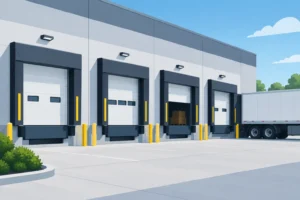
For commercial settings, the priority may be durability and cycle capacity rather than quiet operation. A warehouse or service facility may need a heavy-duty operator, safety devices, and controls designed for frequent daily use. The best smart setup for a two-car home is not automatically the best setup for a loading bay.
Smart Features Depend on a Safe Door System
A smart opener cannot correct broken springs, frayed cables, bent tracks, or a door that comes off track. In fact, trying to operate a damaged door remotely can make the problem worse. If the door jerks, binds, hangs unevenly, reverses unexpectedly, or will not close fully, stop using it and arrange service.
Safety sensors are equally important. Modern photo-eye sensors should reverse or stop the door when the beam is interrupted. Keep them clean, aligned, and clear of storage items. Test the opener’s reversal function according to the manufacturer’s instructions, and never bypass safety sensors to force a door to close.
Regular maintenance protects both the mechanical system and the smart upgrade investment. A service visit can include checking spring tension, cables, rollers, hinges, tracks, opener force settings, safety sensors, and the condition of the door panels and weather seals. For businesses, preventive service can help avoid a door failure that interrupts deliveries, staffing, or security.
Choosing the Right Upgrade for Your Property
Start with the problem you want to solve. If you regularly wonder whether you closed the garage, a Wi-Fi controller with status alerts may be enough. If you want to let family members or vendors enter without handing out remotes, choose a system with managed guest access. If storms and outages concern you, prioritize battery backup. If security at a detached garage or commercial entrance is the issue, add appropriate camera coverage and event alerts.
Compatibility deserves attention before purchase. Some older openers can work with an add-on smart controller, while others are better candidates for full replacement. Wi-Fi strength in the garage, phone compatibility, subscription requirements, camera storage policies, and local installation conditions should all be reviewed before selecting equipment.
Garage Door Mart Inc can help Chicagoland property owners evaluate whether an existing opener can be upgraded or whether replacement will provide better safety, reliability, and long-term value. A professional installation also ensures the door is balanced, safety features are working, and controls are set up correctly.
The smartest garage door is the one that gives you useful information, reliable access, and confidence that the door will operate safely when you need it. If your door is noisy, unreliable, or showing signs of mechanical wear, address that foundation first. Technology works best when the system behind it is built to last.