A garage door opener can be technically working and still be the wrong fit for your property. In the belt drive vs chain drive decision, the biggest difference is often not whether the door opens. It is how much noise, vibration, maintenance, and long-term wear you are willing to live with every day.
For Chicago-area homeowners, that decision is especially relevant when a bedroom sits above the garage, the door is used several times daily, or winter temperatures put every moving part under extra stress. For commercial properties, the question usually shifts toward door weight, operating cycles, and dependable performance during a busy workday.
How Belt and Chain Drive Openers Work
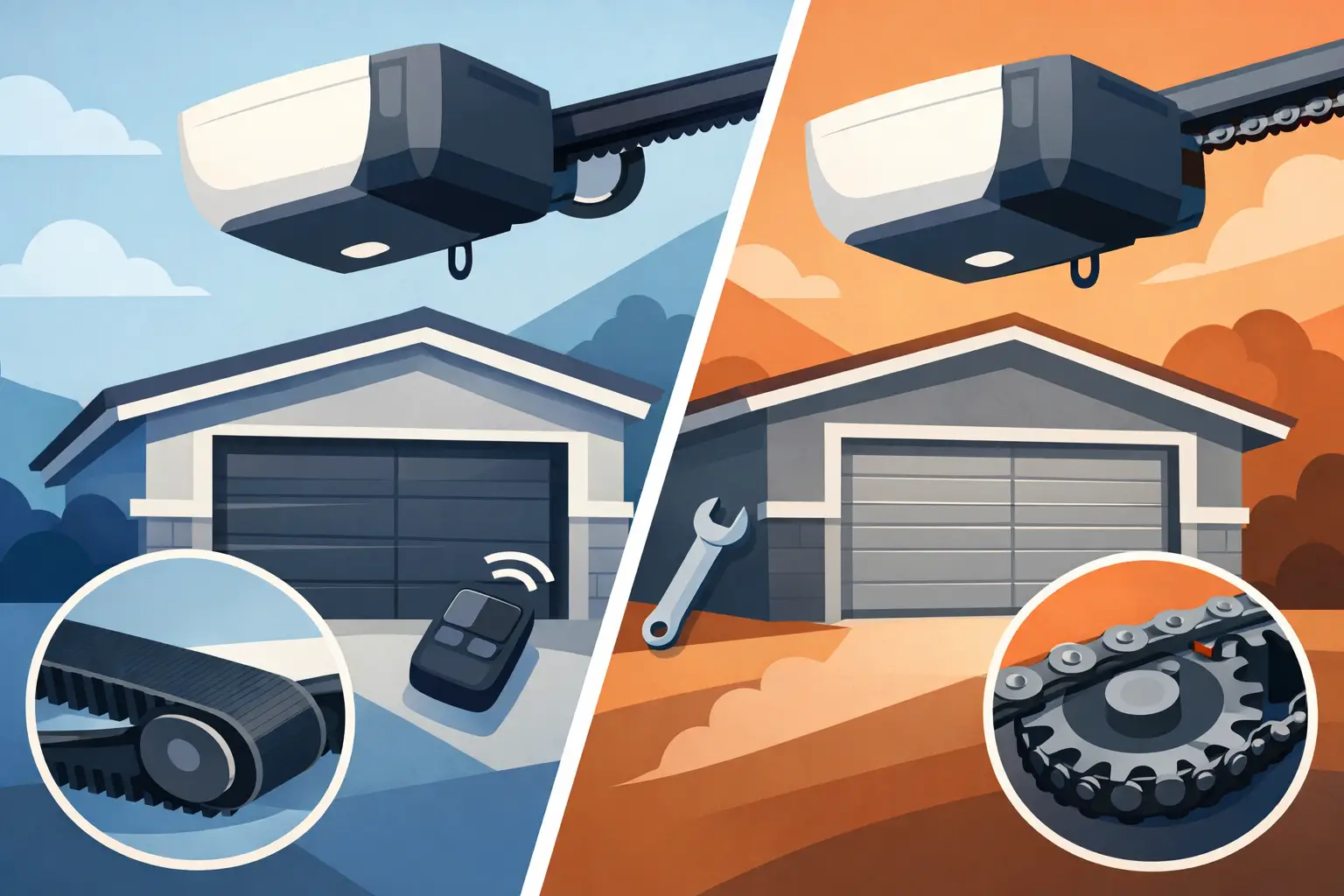
Both systems use a motorized trolley to move the garage door along a rail. The drive mechanism is the component that carries the trolley: a reinforced rubber belt in a belt-drive opener or a metal chain in a chain-drive opener.
The motor, springs, rollers, track condition, and door balance still have a major effect on performance. A high-quality opener cannot compensate for a door with worn rollers, damaged tracks, weak springs, or poor balance. Before installing either style, a professional should confirm that the door moves smoothly by hand and that the springs are doing their share of the lifting.
Belt-drive openers
A belt-drive opener uses a flexible belt, usually reinforced with steel cords or similar materials for strength. The belt absorbs much of the vibration created as the trolley moves. That makes it the quieter choice for most residential garages.
Modern belt-drive units are built to handle standard sectional garage doors, including many insulated steel and carriage-style doors. They are not weak by default. What matters is matching the opener and rail system to the size, weight, and usage of the door.
Chain-drive openers
A chain-drive opener uses a metal chain similar in concept to a bicycle chain, although it is designed for garage door operation. It has a long history of dependable service and remains a common choice for detached garages, heavier doors, and many commercial applications.
The trade-off is sound. Metal-on-metal movement creates more noise and vibration, which can travel through the garage framing and into rooms above or beside it. A properly installed chain-drive opener should not sound violent or unstable, but it will rarely be as quiet as a belt-drive model.
Belt Drive vs Chain Drive: The Differences That Matter
The right choice comes down to the way your garage is built, how often the door operates, and what level of noise is acceptable. Price matters, but the lowest installation cost can be less valuable than daily comfort and fewer service concerns over time.
Noise and vibration
Belt drive wins clearly for quiet operation. The smoother belt reduces vibration at the rail, and that difference is noticeable in attached garages. If a nursery, bedroom, home office, or living space is directly above the garage, a belt-drive opener is usually worth the additional upfront cost.
Chain drive produces more mechanical sound, even when the system is properly lubricated and adjusted. It can be a sensible option for a detached garage where noise will not disturb anyone inside the home. For commercial settings, sound may be less important than durability and operating demands.
Keep in mind that excessive grinding, banging, jerking, or rattling is not normal for either drive type. Those sounds can point to loose hardware, worn rollers, a failing opener gear, damaged track, or a door that is out of balance.
Cost and long-term value
Chain-drive openers generally cost less than comparable belt-drive models. That can make them attractive when replacing an opener for a basic detached garage or a rental property where quiet operation is not a priority.
Belt-drive openers usually cost more because of the belt system and because many are paired with higher-end features, such as battery backup, smart controls, and stronger lighting. The higher price is often justified for an attached garage because the improvement in daily noise and vibration is immediate.
The best value is not always the cheapest opener. A unit that fits the door, receives regular maintenance, and is installed correctly is less likely to create avoidable repair calls.
Strength and door compatibility
Many people assume a chain drive is automatically more powerful. That is not quite accurate. The opener motor and the condition of the garage door determine how effectively the system lifts the door. The drive mechanism affects how the power is transferred and how quietly it happens.
A properly selected belt-drive opener can operate many heavy residential doors without trouble. However, large wood doors, oversized insulated doors, and doors with high daily use need careful evaluation. The same is true for chain drive. A heavy door should never be assigned to an opener without confirming spring balance, actual door weight, and manufacturer specifications.
For commercial doors, a trolley-style chain drive may be appropriate in some cases, but it is not the only option. Commercial operators may use jackshaft, hoist, or other specialized systems based on the door type, headroom, usage frequency, and building layout. A one-size-fits-all residential opener is not the answer for a loading area or warehouse door.
Maintenance needs
Chain-drive systems typically require more attention because the chain can need lubrication and tension checks. A loose chain can slap the rail and become noisy. An overly tight chain can place unnecessary strain on opener components. The right adjustment is specific to the opener model.
Belt-drive systems usually need less routine maintenance at the drive itself. The belt should still be inspected for wear, fraying, cracking, or improper tension. The rest of the garage door system needs the same care regardless of opener type: rollers, hinges, tracks, cables, safety sensors, and springs all affect safe operation.
Do not attempt to adjust torsion springs or lift cables yourself. Those parts are under high tension and can cause serious injury when handled incorrectly.
Chicago weather and garage conditions
Cold weather exposes existing problems fast. Thickened lubricant, contracted metal, weak batteries, and stiff rollers can make an opener work harder during a Chicago winter. A well-maintained belt-drive opener performs reliably in cold weather, but the belt and rail must be in good condition. A chain-drive unit can also perform well, provided the chain is correctly lubricated and the door is balanced.
The larger issue is often the door itself. If the door is heavy, sticks near the floor, or reverses unexpectedly, changing opener styles will not solve the underlying problem. Ice at the threshold, worn weatherstripping, bent track, and tired springs should be addressed before they lead to a no-open emergency.
Which Opener Is Right for Your Property?
Choose a belt-drive opener when quiet operation is a priority, especially in an attached garage. It is typically the better residential choice for homes in Naperville, Aurora, Plainfield, Bolingbrook, and surrounding communities where garages connect directly to living space. It also works well for homeowners who use the garage as their primary entrance and want a smoother experience every time the door moves.
Choose a chain-drive opener when you need a cost-conscious, proven option and garage noise is less of a concern. It can be a practical fit for detached garages, certain heavier residential doors, and applications where the opener will receive regular professional inspection.
For either option, look beyond the drive type. Confirm that the opener includes properly working photo-eye safety sensors, a reliable reversing system, adequate lighting, and the right capability for the door. If power outages are common in your area or the garage is your main entry point, battery backup is a practical feature worth considering.
Installation Quality Matters More Than Most Owners Expect
An opener should not be installed on a door that is difficult to lift manually. The opener is designed to guide a balanced door, not force a failing door up and down. Skipping that inspection can shorten the life of the motor, strip internal gears, and create a safety risk.
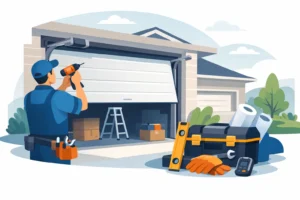
Professional installation also includes setting travel limits, testing the auto-reverse function, aligning safety sensors, securing the rail and header bracket, and checking that the door closes without binding. These details affect both belt-drive and chain-drive performance.
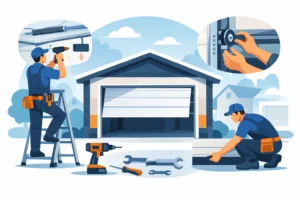
Garage Door Mart Inc can evaluate the condition of your door and recommend an opener that matches your home or commercial operation, rather than simply replacing one noisy unit with another. For urgent problems, such as a door that will not close or an opener that has stopped responding, prompt service can protect your property and restore access without unnecessary delay.
A quiet belt drive may make every early-morning departure easier, while a properly selected chain drive may be the sensible workhorse for a detached or high-demand space. The right answer starts with a door that is safe, balanced, and ready for the opener you choose.