A garage door can fail at the worst possible time: when your car is trapped before work, when a broken spring leaves the door hanging open overnight, or when a commercial bay door stops a delivery from moving. If you are searching for emergency garage door repair near me open now, the priority is not just finding someone available. You need a qualified local technician who can make the door safe, identify the actual failure, and restore reliable operation without creating a larger problem.
For homeowners and businesses across Chicagoland, a damaged garage door affects security, access, and daily schedules. A fast response matters, but so does doing the repair correctly. Garage doors are heavy, spring-loaded systems. A rushed DIY fix or an unqualified repair can turn an inconvenient breakdown into property damage or a serious injury.
When a Garage Door Problem Is an Emergency
Not every noisy door needs after-hours service. A door that squeaks but still opens and closes safely can often wait for a scheduled maintenance visit. An emergency is different: the condition creates a safety risk, leaves the property unsecured, blocks a vehicle, or stops business operations.
A door that will not close is a common urgent issue. An open or partially open garage gives easy access to tools, vehicles, inventory, and entry points into the building. If the door is stuck closed with your vehicle inside, it can prevent you from getting to work, school, medical care, or an important appointment.
For commercial properties, the stakes can be even higher. A disabled loading dock or warehouse door can delay shipments, expose inventory to weather, and interrupt staff workflow. A damaged rolling steel door, sectional overhead door, or commercial opener should be assessed promptly when it affects security or operations.
Call for emergency service when you notice any of these conditions:
- A garage door is off its tracks, crooked, sagging, or hanging unevenly.
- A torsion or extension spring has broken, often marked by a loud bang and a door that will not lift.
- Cables are loose, frayed, or wrapped around the drum.
- The door will not close and leaves the home or facility exposed.
- The opener runs but the door does not move, reverses unexpectedly, or makes grinding sounds.
- A vehicle, storm impact, or other collision has bent panels, tracks, or hardware.
What to Do While You Wait for Emergency Repair
The safest action is usually to stop using the door. Do not keep pressing the opener button in hopes that it will reset itself. Repeated operation can strip gears, bend tracks further, pull cables loose, or cause an unstable door to fall.
Keep people, pets, and vehicles clear of the opening. If the door is off track or a cable has come loose, do not stand beneath it or try to force it into place. A garage door may weigh several hundred pounds, and its springs and cables store significant tension.
If the door is fully closed and you can safely leave it in that position, disconnecting the opener from power may prevent accidental operation. If it is stuck open, do not pull the emergency release unless you are certain the door is stable and you understand the risk. On a door with a broken spring or failed cable, releasing the opener can allow the door to drop suddenly.
Take a few clear photos from a safe distance if possible. Photos can help the service team understand whether the issue involves a spring, track, cable, roller, panel, or opener. You should also note what happened immediately before the failure, such as a loud snap, a power outage, a vehicle bump, or a door reversing repeatedly.
Emergency Garage Door Repair Near Me Open Now: What a Technician Checks
A professional emergency visit should begin with a safety inspection, not a guess. The visible symptom does not always reveal the source of the problem. For example, a door that will not open might have a broken spring, a damaged opener gear, a disengaged trolley, worn rollers, or a door binding in bent tracks.
The technician will check the springs, cables, drums, tracks, rollers, hinges, brackets, bearing plates, and opener system. They will also inspect the balance of the door. A properly balanced door should not place excessive strain on the opener. When springs wear out or break, the opener may still make noise, but it is no longer designed to lift the full weight of the door by itself.
For an off-track door, the repair may involve securing the door, resetting rollers, realigning or replacing track sections, and checking for the impact or wear that caused the failure. Simply pushing a roller back into the track without correcting the underlying alignment issue is not a lasting repair.
Opener emergencies require a similar level of diagnosis. The issue may be electrical, mechanical, or related to safety sensors. A technician can determine whether a repair is sensible or whether replacement offers better safety, reliability, and value. The right answer depends on the opener’s age, condition, available parts, and the demands placed on the door.
Why Spring and Cable Repairs Should Never Be DIY
Online videos can make spring replacement look straightforward. It is not. Torsion springs are tightly wound under high tension, while extension springs can recoil or snap if improperly handled. Incorrect spring sizing can also leave the door unbalanced, creating premature opener wear and unreliable movement.
Cables are equally important. They work with drums and springs to raise and lower the door evenly. When a cable comes off, the door may twist, jam, or come off track. Trying to rewind a cable while the door is under tension can be dangerous and may damage additional components.
A trained garage door technician has the proper winding tools, replacement parts, and experience to set spring tension accurately. They can also identify related issues, such as worn bearings, damaged drums, loose brackets, or a door that is too heavy for the existing spring system.
What to Expect From a Reliable 24/7 Service Call
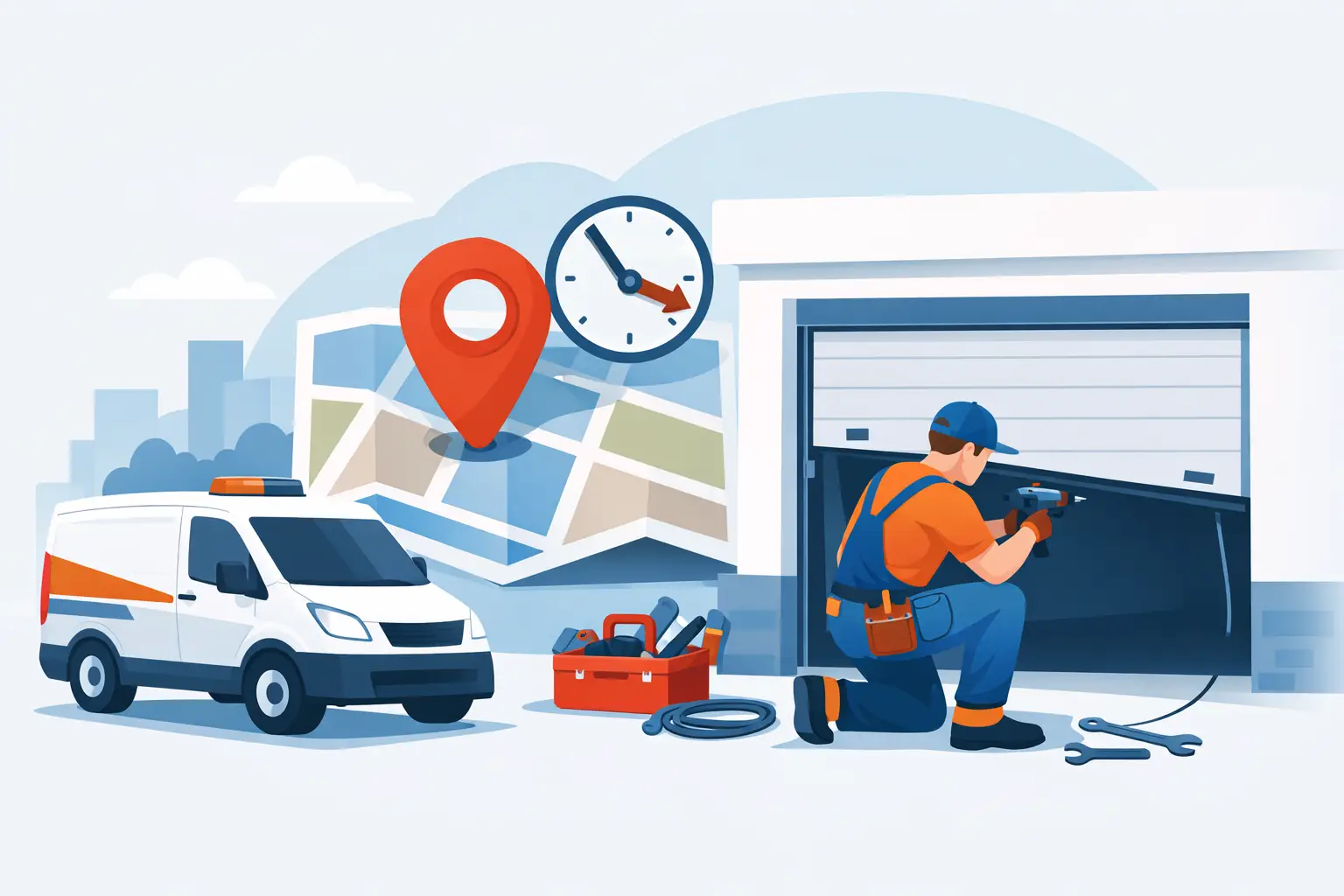
When you need help after normal business hours, clear communication is part of the service. A dependable provider should confirm the appointment window, gather basic details about the door and the problem, and communicate when the technician is on the way.
Once on site, the technician should explain the condition of the door in practical terms. You should know what failed, what repair is recommended, whether there are options, and what needs immediate attention for safety. Some doors can be repaired during the first visit because common springs, rollers, cables, and hardware are available. Other situations, such as severe panel damage or a specialty commercial door, may require securing the opening first and scheduling a follow-up with the correct materials.
That distinction matters. The goal of emergency work is to restore safe access and security as quickly as possible, not to sell unnecessary replacement. If a door is old, heavily damaged, or no longer cost-effective to repair, a straightforward explanation helps you make an informed decision.
Garage Door Mart Inc provides 24/7 emergency garage door service for residential and commercial customers throughout the greater Chicagoland area. From broken springs and off-track doors to opener failures and damaged commercial doors, the focus is on a safe repair process, prompt communication, and dependable results.
Preventing the Next After-Hours Breakdown
Many garage door emergencies begin with small warning signs. A door that shakes, drags, squeals, or pauses during travel is asking for attention. So is an opener that strains, a remote that works inconsistently, or a door that no longer sits level when closed.
Routine professional maintenance can catch worn rollers, fraying cables, loose hinges, weak springs, and opener issues before they cause a complete failure. For homeowners, a yearly inspection is often a practical starting point. High-cycle doors and commercial doors may need more frequent attention because they operate many times each day.
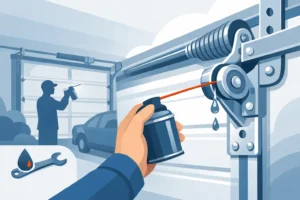
You can also help extend the life of the system by keeping photo-eye sensors clear, avoiding impact with the door or tracks, and never allowing children to play with remotes or wall controls. Do not apply heavy grease to tracks. Tracks need to stay clean and aligned, while specific moving parts need the correct garage-door-rated lubrication.
When your garage door stops working, the right next step is simple: protect the area, stop operating the door, and request qualified help. Fast emergency service can get the door moving again, but careful professional repair is what keeps your home, business, and schedule protected after the technician leaves.